
Speed to Power: Data Centers as the Leading Edge of Load Growth
Event Information
Date & Time
Friday, February 20, 2026
9:30 AM – 4:00 PM
4:00 – 5:00 PM Reception
Location
Convene Hamilton Square
600 14th St NW, Washington, DC 20005
The EFI Foundation is pleased to invite you to a private bootcamp for Congressional staffers, hosted in partnership with the Conservative Climate Foundation and the SEEC Institute for a day-long session entitled “Speed to Power: Data Centers as the Leading Edge of Load Growth” on Friday, February 20 from 9:30 a.m. – 4:00 p.m. at Convene Hamilton Square (600 14th St NW, Washington, DC 20005). The bootcamp will be followed by a private reception for speakers and attendees.
To confirm your attendance, please register here. Registration is required for this event and will close at noon on February 19. Invitations are non-transferable. For any questions related to this event, or if you did not receive an invite but are interested in attending, please contact Beth Dowdy, Project Manager at EFI Foundation.
Explore how data centers are reshaping the nation’s electricity landscape—from grid infrastructure and rate design to innovation in power delivery—and the policy tools needed to balance growth, affordability, and reliability.
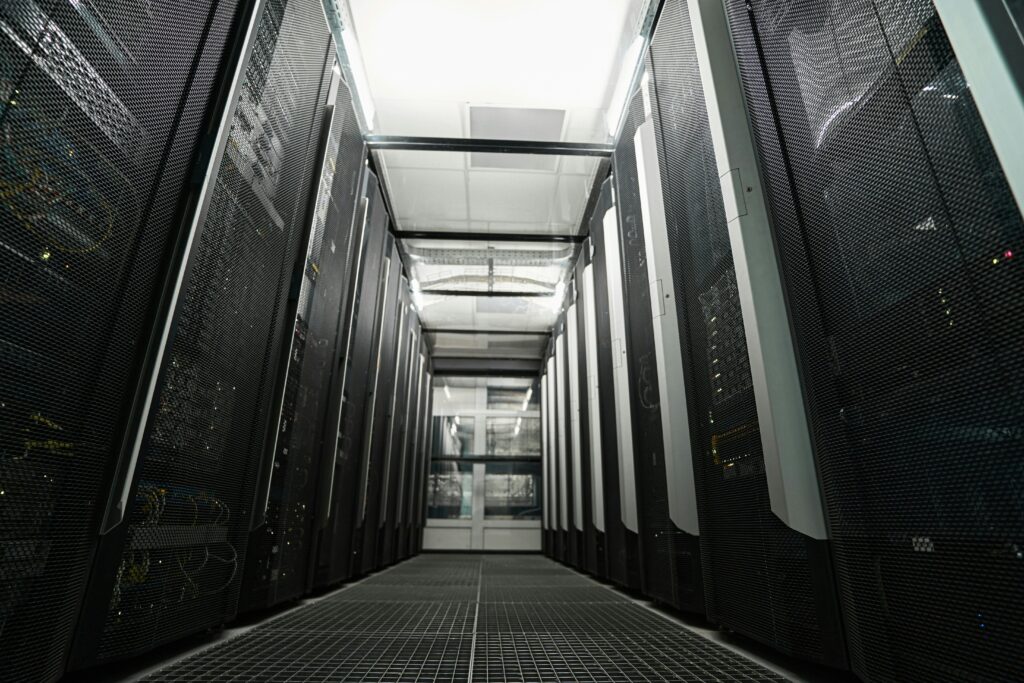
After decades of flat demand, U.S. electricity consumption is growing again. Multiple factors are driving this, including data centers for cloud computing and AI, manufacturing expansion, electric vehicles, and building electrification. Data centers need large amounts of reliable power quickly, exposing infrastructure and planning constraints that have existed for years but now create real obstacles for all types of large loads.
One of the central issues is speed to power—how fast the grid can deliver electricity at scale. Regulatory processes designed for gradual demand growth struggle to handle compressed project timelines. When large loads need power quickly, utilities must often accelerate grid upgrades. This raises questions about how to allocate the costs of these infrastructure investments across different customer classes and how those decisions affect existing ratepayers.
Addressing these challenges requires collaboration between policymakers, utilities, and industry. The pressure points emerging today highlight infrastructure and planning gaps that need to be addressed, while also driving changes in power generation, grid operations, and utility business models.
Speed to Power will give participants an under-the-hood look at how data center developers, utilities, and grid operators make decisions—and where federal policy creates delays or accelerates projects. Through discussion-driven sessions with senior industry leaders, participants will gain insight into how rapid data center growth is reshaping electricity demand, utility planning, and grid investment, with a focus on how policy design affects timelines, costs, reliability, and broader system outcomes. In case-based sessions, speakers will walk through real decision points they’ve faced, explaining how different types of data centers—from cloud computing to advanced AI infrastructure—have distinct power requirements, and how developers navigate siting, interconnection, and power procurement tradeoffs.
By understanding how data center load growth fits within broader electricity system challenges, participants will be better equipped to craft policies that support innovation, protect customer affordability, strengthen grid resilience, and position the United States as a leader in digital infrastructure and energy deployment.
Hosted by


Walk away from this course with:
-
1. A clear understanding of how data center developers make decisions
Hear directly from developers and utilities about how power needs differ by application (cloud vs. AI), what factors determine where projects locate, and how timelines, regulatory environments, and cost allocation shape those choices—and their implications for grid infrastructure, reliability, and customer rates.
-

2. Real-world insight into how these decisions play out on the ground
Through detailed case studies, explore how developers, utilities, and grid operators navigate power procurement, interconnection, and system constraints in practice. See how different business models and technologies affect who pays, who benefits, and how quickly projects move forward.
-

3. A forward-looking view of innovation and policy opportunity
Examine how emerging technologies, market structures, and policy tools could enable data centers to function as grid assets. Participants will explore where federal policy can unlock these outcomes and where changes would make the biggest difference.
Agenda
9:30 – 9:45 a.m.
Welcome and Opening Remarks
Michael Downey, Director, EFI Foundation
Elizabeth Daniels, Executive Director, Conservative Climate Foundation
Julia Greensfelder, Director of Policy and International Programming, SEEC Institute
9:45 – 10:30 a.m.
Setting the Stage: Load growth and the data center challenge
The United States has faced major load growth before, but today’s surge is faster, more concentrated, and more capital-intensive. Large new electrified loads are emerging as the generation mix shifts and firm capacity additions face long timelines. This session explores how aging infrastructure, supply chain pressures, and resource transitions are reshaping grid investment and long-term system planning.
Tom Fanning, Retired CEO, Southern Company
10:30 – 11:15 a.m.
Who Pays for the Grid? Cost Recovery in an Era of Expansion
As infrastructure spending and demand increase, electricity rates are rising nationwide. The central question is not only how much costs grow, but who pays. This session examines rate design, cost allocation, and the authority of state public utility commissions, highlighting how federal incentives and state regulatory decisions shape affordability, competitiveness, and economic development outcomes.
Charles Hua, Founder and Executive Director, PowerLines
11:15 – 11:30 a.m.
Break
11:30 a.m. – 12:30 p.m.
Case Study 1 – All data centers are not created equal: exploring how the electricity requirements of “cloud” versus “AI” data centers affect the grid
Whether a data center will stream Netflix, train a cutting-edge AI model, or run an AI chatbot, the applications it is built to serve place dramatically different requirements on electricity systems. This session will explore how a data center’s use case informs decisions about where to site the facility, how to power it, and what grid investments are required, along with how federal policy shapes such decisions.
Kevin Hughes, SVP of Public Affairs, STACK Infrastructure
12:30 – 1:15 p.m.
Lunch
1:15 – 2:15 p.m.
Case Study 2 – A menu of options for powering your data center: navigating different business models for electricity generation, backup power, and energy storage
“Bring your own dispatchability” has emerged as a strategy for data center developers to accelerate access to power while protecting existing customers from high costs. But the pathway that a developer selects for powering their project has profound implications for what grid upgrades are made and who bears the cost. This session explores how these decisions influence project timelines, cost responsibility, and the distribution of risks and benefits across the grid.
Arushi Sharma Frank, CSIS Senior Associate; Founder, Luminary Strategies; Fmr. Energy Markets Lead & Sr. Counsel, Tesla
2:15 – 2:45 p.m.
Networking Break
2:45 – 3:45 p.m.
Innovation Expo: Opportunities for innovation in technology, policy, and business models to reshape data center energy requirements and accelerate the modernization of our electricity systems
As data center developers race to reduce energy requirements, new technologies are beginning to reshape how facilities use and manage power. This session will explore how these advances can ease pressure on the grid, shape compute and electricity requirements, create more flexibility during periods of high demand, and open up new ways to lower costs for families and businesses by reducing overall system stress.
The session will create space for discussion and debate around federal policy pathways, including where policy ideas are converging or diverging, how different legislative and regulatory strategies could be advanced, and where opportunities exist to build coalitions to support next-generation solutions.
Potential to form breakout groups to see where priorities may align vs diverge.
Brian George, Senior Lead, US Energy Markets, Google
Sean James, Distinguished Engineer – Energy Systems, NVIDIA
Brianne Miller, Senior Director for Infrastructure and Energy Policy, Microsoft
3:45 – 4:00 p.m.
Wrap-up, Reflections, Evaluation
Michael Downey, Director, EFI Foundation
4:00 – 5:00 p.m.
Reception
Explore Relevant Work
-
—
-
-