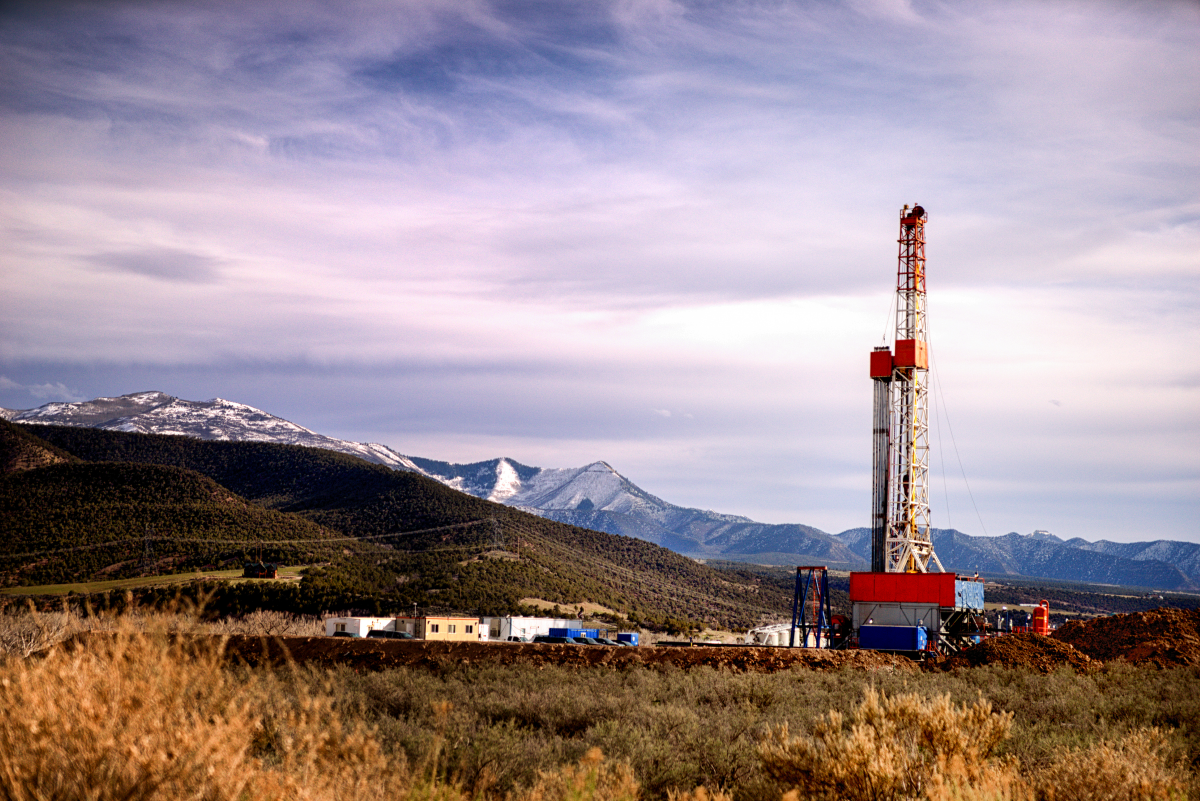
EFI Foundation (EFIF) hosted a webinar on June 18, 2025, to discuss the current state of geologic hydrogen exploration and offer an outline of the key policy, regulatory, and research actions needed to test its viability and accelerate adoption across the country. This event focused on insights from our newly released geologic hydrogen report which outlines the current state of the emerging geologic hydrogen industry and maps out feasible pathways to prove the technology at scale.
Watch Now
The webinar began with opening remarks from EFIF Founder and CEO, Ernest Moniz, followed by a presentation of the report’s findings from EFIF’s Vice President of Research, Madeline Schomburg, and a 30-minute panel that brings together industry experts in a discussion about ways to scale this technology for a low-carbon economy.
Geologic hydrogen, if proven effective, can play a transformative role in providing clean, affordable, and large-scale energy, remarkably accelerating the transition to a zero-carbon future for the world.
Key Moments
“Geological hydrogen, whether natural or stimulated, is really one of the few truly possible breakthrough pathways to an affordable clean energy future, a real game-changing potential.”
– (Ernest J. Moniz, Founder & CEO, EFIF; 13th U.S. Secretary of Energy )
“The people on the ground in each state have unique perspective and understand the challenges due to their own regulatory framework and structure and timelines, and so I think that it’s really important to recognize that the states should lead in that aspect.”
– (Drew J. Nelson, Deputy Director, Nebraska Oil & Gas Conservation Commission (NOGCC)
“Last February, [Koloma was] able to get a hearing on the Senate side specifically about natural hydrogen, and you could see across the aisle that it was supportive.”
– (Kristen Delano, Public Affairs & Government Relations, Koloma)
Speakers
Opening Remarks & Insights
- Ernest J. Moniz, Founder & CEO, EFIF; 13th U.S. Secretary of Energy
- Madeline Schomburg, Vice President of Research, EFIF
Panel Discussion
- Kristen Delano, Public Affairs & Government Relations, Koloma
- Mary Haas, Partner, Breakthrough Energy
- Drew J. Nelson, Deputy Director, Nebraska Oil & Gas Conservation Commission (NOGCC)
- Moderated by Doug Wicks, former Program Director, ARPA-E